Communal Area Cleaning in W1T
If you are looking for reliable communal area cleaning in W1T, you are likely trying to keep a shared building looking cared for, hygienic, and comfortable for everyone who uses it every day. In a busy part of central London like W1T, that matters. Residents, landlords, managing agents, and businesses all want common parts that feel welcoming the moment someone walks through the door. Clean lobbies, stairwells, hallways, lift areas, and shared entrances do more than improve appearance: they support a better living or working environment, reduce complaints, and help protect the condition of the property.
W1T includes a mix of residential blocks, period conversions, mixed-use buildings, office premises, and apartment developments close to places such as Fitzrovia, Tottenham Court Road, Goodge Street, and the wider West End fringe. That variety means shared spaces see a lot of different traffic patterns. Deliveries, visitors, tenants, contractors, and office staff all leave behind different kinds of mess, from dust and footprints to litter and marks on glass or handrails. A professional approach to communal area cleaning W1T helps keep those areas under control with a routine that fits the building rather than a one-size-fits-all service.
Whether you manage a small converted property or a larger multi-occupancy building, the aim is the same: maintain a clean, safe, and presentable communal environment. Local customers often want a team that understands access restrictions, tenant expectations, and the practical realities of working in central London. That includes timing visits around busy periods, handling building entry carefully, and making sure the service is dependable enough to become part of the property’s regular routine.
Why communal cleaning matters in W1T

Shared parts of a property get used far more heavily than many private spaces, which is why they need consistent attention. In W1T, buildings often experience a steady flow of people throughout the day. This can quickly lead to dust build-up, marks on doors, muddy or wet footprints in poor weather, and general wear in high-touch areas. A maintained communal area creates a better impression for residents and visitors alike, and it can also help prevent small issues from becoming bigger maintenance concerns.
For residential customers, a clean communal hallway or stairwell can make daily life feel more organised and pleasant. For landlords and managing agents, it can support tenant satisfaction and reduce the number of cleaning-related complaints. For commercial premises, a tidy shared entrance or reception area contributes to a professional image and gives staff and visitors a better first impression. In a neighbourhood as active as W1T, these things really matter.
Regular care is also practical. When dust, litter, and grime are left too long, they can become harder to remove and may affect surfaces over time. Door handles, bannisters, skirting boards, and lift buttons are all frequently touched, so common area cleaning is not just about appearance; it is part of everyday upkeep. A reliable schedule can help keep the building looking fresh without causing disruption to occupants.
What our communal area cleaning service includes

Every property is different, so the exact cleaning routine should reflect how the building is used. A good communal area cleaning service in W1T normally focuses on the areas that everyone sees and touches most often. The work should be detailed enough to make a visible difference, but efficient enough to fit around residents, staff, and visitors.
Typical tasks often include:
- Cleaning entrance areas and shared lobbies
- Dusting and wiping down skirting boards, ledges, and surfaces
- Vacuuming and sweeping stairwells, corridors, and landings
- Mopping hard floors where appropriate
- Cleaning handrails, banisters, and door handles
- Removing light litter and general debris from shared spaces
- Cleaning lift interiors, buttons, and panel surrounds
- Spot cleaning marks on walls, doors, and glass
- Refreshing communal touchpoints and high-use areas
- Keeping entrance mats and thresholds tidy
For some buildings, the service may also include more specialised attention such as internal window cleaning, cleaning of bin store approaches, or periodic deeper cleans for heavily used areas. If your building in W1T has mixed residential and commercial use, the schedule can be adjusted so that the service remains practical without being intrusive. The goal is always the same: keep shared spaces in a clean, orderly condition that suits the building and the people who use it.
How communal area cleaning works

A well-run cleaning service should be simple from the customer’s point of view. Once the cleaning needs of the building are understood, a routine can be set up around the property’s layout, occupancy, and traffic levels. In many cases, the service begins with a walkthrough of the communal spaces so that the team can identify the key areas, access points, and any building-specific concerns. This helps ensure the plan is realistic and consistent.
After that, a regular schedule can be agreed. Some properties need cleaning several times a week, while others may need less frequent visits depending on footfall and the expectations of residents or tenants. In W1T, many buildings benefit from a service that can adapt to busy periods, residential needs, and the mix of occupants in the building. Early morning or later-day visits may be useful in shared premises where daytime access is more difficult.
On each visit, cleaners typically work through the agreed list of tasks, paying attention to details that are often noticed first by residents and visitors. That means tidying visible areas, removing dust and marks, and making sure the communal parts feel cared for rather than rushed. Consistency is one of the biggest advantages of using a local team: people notice when a building is maintained properly week after week.
What makes a local W1T team useful?
A local team understands the pace of the area, the type of properties nearby, and the practical issues that come with central London access. W1T includes busy streets, controlled entry systems, shared courtyards, and buildings where parking can be limited. A nearby service provider is more likely to be familiar with those conditions and able to plan visits around them. That can reduce delays and help the service stay reliable.
Local knowledge is also useful when a property has unusual access needs, narrow staircases, or multiple entry points. These are common in converted mansion blocks, older terraces split into flats, and mixed-use buildings around Fitzrovia and the surrounding streets. A team that works in the area regularly is more likely to handle these details efficiently and respectfully.
Residential and commercial customers in W1T
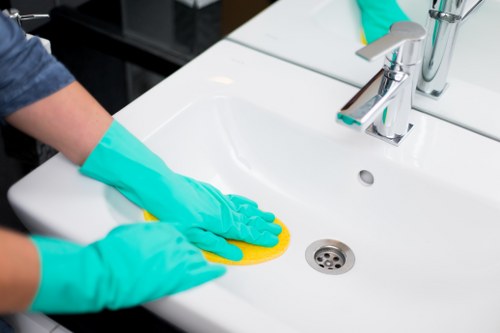
Communal area cleaning in W1T is not just for apartment blocks. It is also valuable for office buildings, studios, medical premises, small business properties, and mixed-use developments where several people share entrances or circulation areas. Residential and commercial customers often need different priorities, but both benefit from a clean shared environment.
For residential properties, the focus is usually on hallways, stairs, landings, lifts, and entrance areas. These are the spaces people use every day, and they can quickly show signs of dust, footprints, and general wear. A regular cleaning routine helps the building feel looked after and can support harmonious living among neighbours, tenants, and landlords.
For commercial premises, the emphasis may be on reception areas, common corridors, staff access points, and shared washroom approaches where relevant. In a business setting, tidy communal areas can support a more professional environment and contribute to staff morale and visitor confidence. For mixed-use buildings, the cleaning plan may need to strike a balance between both needs, making sure residents and business occupants are equally considered.
Examples of properties that often need regular communal cleaning
- Purpose-built apartment blocks
- Converted townhouses and period properties
- Mixed-use buildings with flats above commercial units
- Office buildings with shared corridors and entrances
- Managed estates and multi-tenant developments
- Private residential blocks with lift access
Because W1T includes both older building stock and newer developments, the cleaning approach needs flexibility. Some buildings have ornate surfaces that need careful treatment, while others have modern finishes that require specific products and methods. Choosing a service that takes the time to understand the property helps ensure that the work is effective without causing unnecessary wear.
Local conditions that affect cleaning in W1T

One reason customers often choose a local service for communal cleaning is that the area itself creates specific challenges. W1T is busy, central, and well connected, which means buildings can experience frequent foot traffic, more deliveries, and greater exposure to dust and debris from surrounding streets. In wetter weather, entrances and hallways can pick up more dirt than expected, especially in buildings where people are coming and going throughout the day.
Parking and access can also be tricky. Many W1T streets have limited parking, controlled zones, or busy loading conditions, so a cleaning team needs to plan carefully. This is particularly important when carrying equipment or when a building has narrow entrances, security systems, or time-limited access windows. A local provider will usually be better prepared for these realities and less likely to waste time or cause disruption.
Another factor is the age and variety of buildings in the area. You may have a property with original features, polished floors, shared carpeting, or modern communal finishes. Each one needs a different level of care. A responsible cleaning service should always clean with the building’s materials in mind, using methods that help maintain appearance without damaging surfaces.
Common local challenges include:
- Heavy footfall from residents, office staff, and visitors
- Limited parking or restricted stopping options
- Shared entrances with security-controlled access
- Older stairwells and hallways needing careful handling
- Mixed-use buildings with changing usage patterns
- Dust and dirt tracked in from busy nearby streets
These factors are why a generic approach is rarely enough. The best results come from a cleaning plan that matches the building’s actual conditions, not just a checklist copied from somewhere else.
Benefits of regular communal area cleaning
Better presentation, better daily experience
A regularly cleaned shared space makes a property look more cared for. That can influence how residents feel about where they live, how tenants view the management of the building, and how visitors perceive the premises. Clean lobbies, stairs, and corridors feel brighter, more orderly, and more welcoming. In practical terms, this can help reduce the sense of clutter or neglect that often builds up in communal properties.
There are also hygiene and safety benefits. Handrails, door handles, lift controls, and entry points are high-touch areas that can benefit from frequent wiping. Dust and debris on steps or floors can create a slip concern, especially where weather and footwear bring in moisture. Regular attention helps maintain a safer shared environment and supports the general condition of the property.
Another benefit is time-saving for building managers and residents. When a professional service handles the communal cleaning, there is less need for informal tidying by occupiers and fewer disputes about responsibility. A clear routine also makes it easier to keep the property in good shape over time, which can help protect the long-term appearance of floors, fittings, and surfaces.
What customers often value most
- Reliable, repeatable cleaning visits
- A cleaner first impression for residents and guests
- Less dust and grime in shared spaces
- Support for property management standards
- Cleaner high-touch points and entry areas
- Flexible service options for different building types
What to expect from a professional service
When choosing a provider for communal area cleaning in W1T, it helps to know what a professional service should look like. You should expect a team that is organised, respectful, and clear about what is included. The best services are consistent and practical rather than overcomplicated. They focus on the areas that matter most to the building and communicate clearly about timing, access, and any issues they notice during visits.
A good service will also understand that communal cleaning is part of a broader property care routine. If something is repeatedly missed, if a common area needs extra attention, or if access arrangements change, the team should be able to adapt. This is especially important in central London buildings where occupancy patterns can change quickly and where different occupants may have different expectations.
Customers also appreciate discretion. In shared buildings, the cleaning team should work efficiently without disrupting residents or office users. That may mean using quieter methods at certain times, avoiding blocked walkways, and keeping equipment tidy and out of the way. Professionalism in communal cleaning is often about these small details as much as the visible results.
Typical service qualities to look for
- Clear understanding of the building’s layout and usage
- Flexible cleaning schedules
- Careful work on shared surfaces and fixtures
- Respectful access and site handling
- Attention to detail in visible communal areas
- Ability to adjust the service when the building changes
Preparation checklist for residents and managers
Most communal cleaning visits require very little preparation, but a few simple steps can make the service smoother. If you manage a building in W1T, it helps to keep access arrangements up to date and ensure the cleaning team can reach the areas they need to work in. Residents and occupiers can also help by keeping shared spaces reasonably clear, which allows cleaners to do a more thorough job.
Here is a practical checklist that can help before regular or one-off communal cleaning visits:
- Make sure access codes, keys, or entry instructions are current
- Keep shared corridors and landings free from personal items
- Report any persistent stains, spills, or damaged areas
- Let the team know about lift outages or access restrictions
- Inform the cleaning provider of special timing needs for the building
- Check whether bins, mats, or entrance areas need extra attention
If you are a managing agent or landlord, it is also useful to define which areas are included in the communal cleaning schedule and whether any periodic tasks should be added. Being clear from the start helps the service run more smoothly and avoids confusion later on.
How to request a quote or booking
If you are ready to arrange communal area cleaning, the next step is usually to request a quote based on the property type, size, access needs, and cleaning frequency. A straightforward enquiry can help establish what the building needs and how often the service should run. Contact us today to discuss your property, or request a free quote if you want a tailored cleaning schedule for your W1T building.
Pricing factors for communal area cleaning
Customers often want to understand what affects the cost of communal area cleaning, even when exact prices are not shown upfront. While every property is different, several practical factors usually influence the scope of work and the final quotation. Knowing these in advance makes it easier to compare services fairly and choose a routine that fits the building’s needs.
Common pricing factors include:
- Size of the communal area and number of floors
- Frequency of cleaning visits
- Type of surfaces involved, such as carpet, tile, or hard flooring
- Level of foot traffic and general dirt build-up
- Whether lift areas, entrances, or bin access routes are included
- Access requirements and any security procedures
- Need for any periodic or deep-clean tasks
Buildings in W1T can vary significantly, even within a short walk of each other. A small conversion with a single stairwell will have very different needs from a larger block with multiple landings and a lift. That is why a proper quote should be based on the property itself, not on a generic assumption. The most useful quotations are clear, practical, and aligned with the real work required.
If you are comparing options, focus on what is included, how the service is scheduled, and whether the provider understands your building’s access and usage pattern. A well-matched cleaning plan is often more valuable than a simple low figure if the result is better reliability and fewer issues over time.
Areas covered around W1T
Because W1T sits in a busy and well-connected part of central London, many communal area cleaning requests involve nearby streets and neighbouring districts as well as the core postcode. Local teams often work across adjoining parts of Fitzrovia, the edges of Marylebone, the Tottenham Court Road area, and the wider West End fringe. This is useful for customers who manage properties with occupants moving between different nearby locations or buildings with similar cleaning needs.
Common property types in and around the area include residential apartments, converted buildings, office suites, and mixed-use developments. Each one benefits from a cleaning routine that keeps entrances, circulation spaces, and shared touchpoints under control. If your building is close to busy commercial streets, stations, or high-footfall routes, a flexible schedule can be especially helpful in keeping shared spaces presentable.
Whether your property is near a busy main road or tucked into a quieter side street, local communal cleaning support can make a real difference. What matters most is that the service fits the building and its users. Book your service now if you want a dependable cleaning routine for your W1T property.
Frequently asked questions
How often should communal areas be cleaned?
The right frequency depends on the number of occupants, the amount of foot traffic, and the type of building. Some properties need cleaning several times each week, while others may only need weekly or periodic visits. A busy building in W1T often benefits from a more regular schedule because shared spaces can collect dust and marks quickly.
Can you clean both residential and commercial communal spaces?
Yes. Many buildings in W1T have mixed use, so the service can be adapted for residential corridors, office entrances, shared lobbies, and other common parts. The cleaning plan should reflect how the property is used and which areas need the most attention.
Do I need to prepare the building before cleaning?
Very little preparation is usually needed. It helps if access details are available and shared spaces are free from unnecessary obstructions. If there are any changes to entry arrangements, lift access, or timing, it is best to let the cleaning team know in advance.
What if my building has narrow stairs or difficult access?
That is common in central London properties, including many in W1T. A local team should be able to plan for narrow stairwells, controlled entry, and limited parking. These details are part of why local experience matters.
Can communal cleaning include deeper tasks?
In many cases, yes. Depending on the property, the service can sometimes include additional tasks such as more thorough floor care, internal glass cleaning, or periodic attention to areas that need extra upkeep. The exact scope should be agreed in advance.
How do I get started?
The simplest way is to make an enquiry, explain the property type and the areas you need cleaned, and request a tailored quote. If you are ready to improve your shared spaces, contact us today to discuss the most suitable communal area cleaning arrangement for your W1T building.
A cleaner shared space for your W1T property
Shared spaces set the tone for the whole property. Whether you manage a compact residential building, a larger apartment block, or a mixed-use premises in central London, a dependable cleaning routine helps those spaces stay tidy, comfortable, and well presented. In an area like W1T, where buildings often face higher foot traffic and access challenges, having a local team to handle communal cleaning can make everyday life much easier.
From entrance halls and stairwells to lifts, corridors, and shared touchpoints, the right service supports both appearance and practicality. It helps residents feel proud of where they live, gives visitors a better first impression, and assists managers in maintaining standards over time. With the right schedule, the right attention to detail, and a local understanding of the area, communal cleaning becomes one less thing to worry about.
If you are looking for communal area cleaning in W1T that is practical, responsive, and suited to the building you manage, now is the time to take the next step. Request a free quote or book your service now and keep your shared spaces looking their best.