Health and Safety Policy for Carpet Cleaners W1T
 Our health and safety policy sets out the principles and practical measures used by carpet cleaners W1T to protect staff, clients, visitors, and anyone affected by our work. We are committed to carrying out every carpet cleaning service safely, responsibly, and in line with good industry practice. This policy applies to all cleaning tasks, including domestic and commercial carpet cleaning, stain treatment, pre-inspection, equipment use, and waste handling.
We recognise that carpet cleaning can involve risks such as slips, trips, electrical hazards, chemical exposure, manual handling strain, and the handling of wet surfaces. To reduce these risks, we follow a structured approach based on prevention, training, supervision, and continual review. Our aim is to ensure that every carpet cleaner in W1T works in a controlled manner and that all cleaning activities are completed without unnecessary harm.
All employees, operatives, and subcontractors must read, understand, and follow this policy. A safe working culture depends on responsibility at every level, so each person is expected to act carefully, report concerns quickly, and avoid any action that could endanger themselves or others.
 Risk assessments are carried out before work begins, especially where there are fragile furnishings, difficult access points, electrical equipment, or vulnerable occupants. Carpet cleaners assess the condition of the flooring, the suitability of cleaning methods, ventilation, and any likely interaction with detergents or machines. Where a hazard is identified, the method of work is adjusted to reduce the risk as far as reasonably practicable.
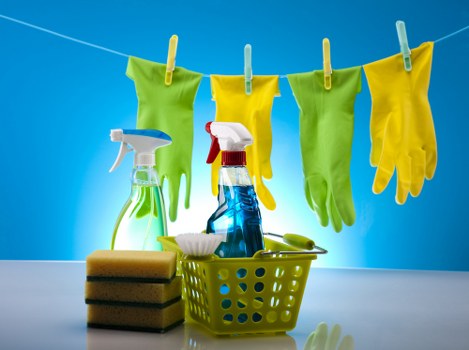
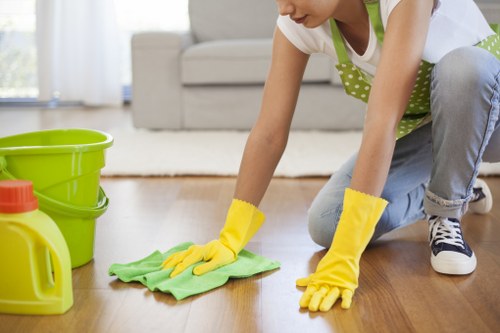
Personal protective equipment is used where needed. Depending on the task, this may include gloves, non-slip footwear, eye protection, or other suitable items. Workers are expected to wear appropriate clothing for the job and to keep uniforms and equipment clean and in good condition. When using detergents or stain removal products, labels and safety information must be checked before use.
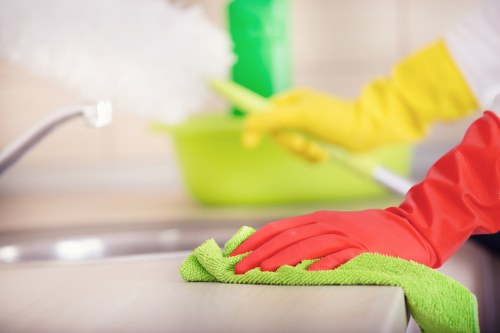 Chemical safety is especially important in carpet cleaning services. Only approved products are used, and they must be stored, diluted, and applied according to instructions. Mixing incompatible chemicals is strictly prohibited. Any spillages must be contained and cleaned immediately, and work areas must be ventilated when required. Safe handling reduces the risk of skin irritation, inhalation issues, and accidental surface damage.
Equipment safety is another key part of this policy. All machines, hoses, cables, and accessories are inspected before use and kept in proper working order. Faulty tools must be removed from service immediately. Trailing cables should be positioned to reduce trip hazards, and equipment should never be left unattended in a way that could create danger. Water extraction units and electrical items must be used in accordance with manufacturer guidance.
Manual handling is managed carefully because carpet cleaning often involves moving machines, lifting water containers, and repositioning furniture where agreed. Employees are trained to assess weight, posture, and route planning before lifting anything. If an object is too heavy, awkward, or unstable, assistance or mechanical support must be used. Safe lifting protects staff from strains, sprains, and long-term injury.
Slippery floors are a common risk during carpet cleaning in W1T. To control this, work areas are clearly identified, warning signs are placed where needed, and cleaned areas are allowed adequate drying time. Access routes should remain clear wherever possible. Clients and occupiers should be encouraged to avoid freshly cleaned areas until they are safe to walk on.
Training and competence are central to our approach. Every carpet cleaner receives instruction in safe working methods, product awareness, equipment operation, emergency response, and basic first aid awareness where appropriate. Refresher training is provided when procedures change or when new risks are introduced. Supervision is used to confirm that standards remain consistent and that safe habits are maintained.
Health considerations are also taken seriously. Prolonged exposure to dust, cleaning agents, repeated movements, or damp conditions can affect wellbeing over time. Workers are encouraged to take regular breaks, maintain good hygiene, and report symptoms such as skin irritation, breathing problems, or muscular discomfort. Where necessary, adjustments are made to reduce strain and support a healthier working pattern.
 Emergency procedures are in place for incidents such as injury, chemical exposure, electric shock, fire, or major spillages. Staff must know how to stop work safely, isolate equipment, and seek assistance. First aid resources should be accessible, and serious incidents must be reported and reviewed so that similar events can be prevented in the future. Prompt reporting supports safer operations for everyone.
Good housekeeping helps prevent many avoidable accidents. Equipment should be stored neatly, cleaning materials must be secured, and work areas should be left tidy at the end of each job. Waste water and used materials must be disposed of responsibly in line with the site arrangements and environmental expectations. A clean workspace is not only more professional; it is also safer.
We also expect respectful communication with clients and occupiers. Before work starts, any important safety information should be shared clearly, including areas that should be avoided, drying times, or temporary restrictions. If pets, children, or other hazards are present, the work should be planned so that safety remains the priority throughout the visit.
 This policy is reviewed regularly to make sure it stays effective, practical, and current. Feedback from inspections, near misses, and incidents is used to improve procedures where needed. By keeping standards high and maintaining a strong safety culture, carpet cleaners W1T can deliver reliable results while protecting people, property, and the working environment.